







Search Results for: Single-Origin Coffee Differences
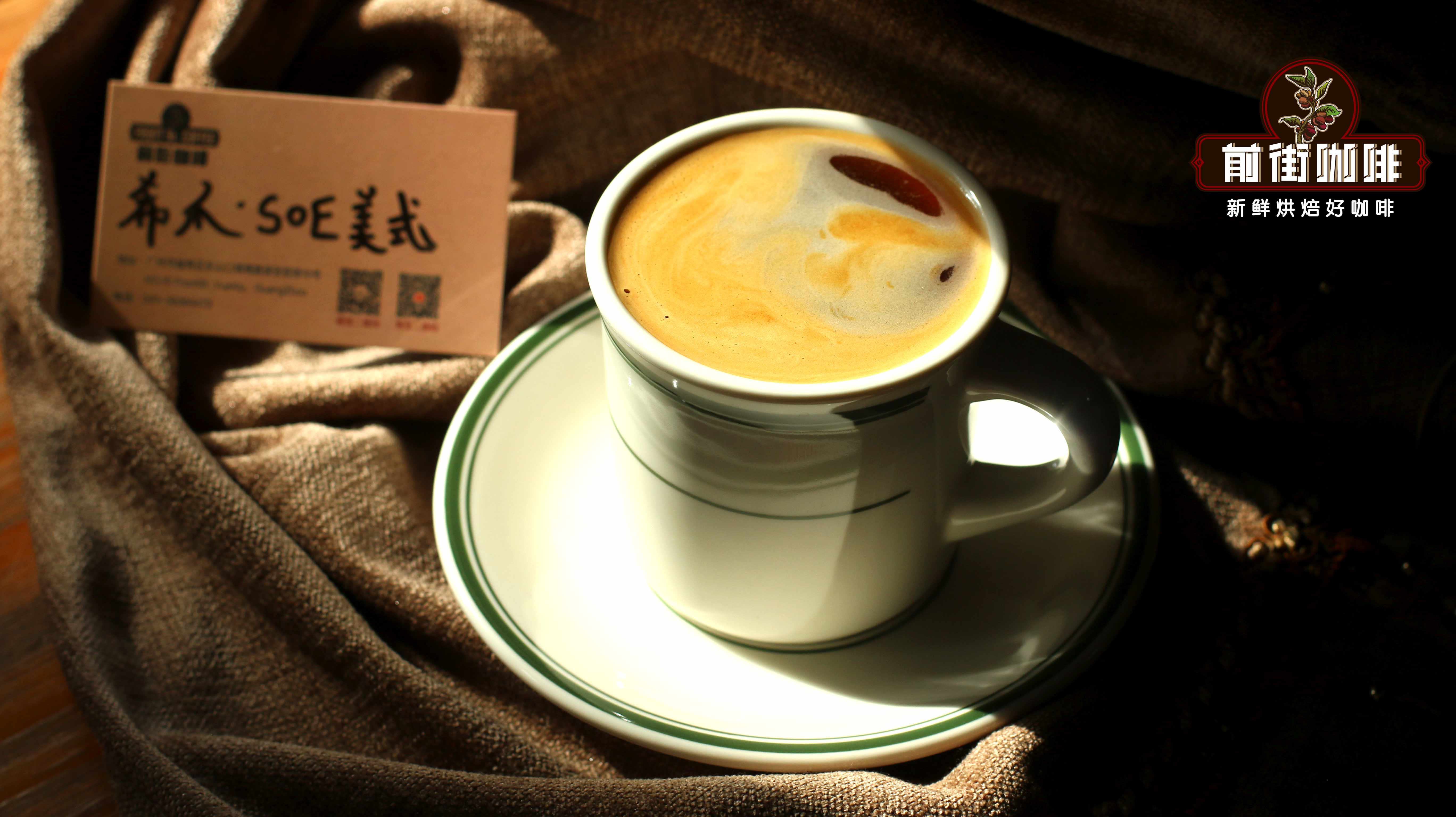
SOE Single-Origin Espresso Explained: Definition, Differences from Single-Origin Beans, and Extraction Parameter Guide
SOE is the abbreviation of "Single Origin Espresso," referring to espresso made from coffee beans of a single origin. It vividly showcases the regional flavors of a specific producing area, yet it differs significantly from pour-over single-origin beans in terms of roast level and extraction method. This article will start from the definition, historical background, advantages, and disadvantages of SOE, sort out the differences between SOE coffee beans and ordinary single-origin beans in roasting and extraction, and take Front Street Ethiopia Red Cherry coffee beans as an example to provide specific SOE and pour-over parameters and flavor comparisons, helping coffee enthusiasts understand this increasingly common form of Italian coffee more systematically. [more…]
Can Espresso Beans Be Brewed as Pour-Over? A Full Analysis of the Differences Between Single-Origin and Blend Beans
Front Street often receives questions like these: Can dark-roasted espresso beans be used for pour-over? What exactly is the difference between single-origin beans and blended beans? In fact, the extraction method determines a coffee bean's positioning and roasting direction. Single-origin beans emphasize a clear expression of regional flavors and are mostly light-roasted; espresso beans are mainly blends, roasted on the darker side, pursuing stability and richness. The two also differ noticeably in grinding, parameters, and sales specifications. This article, from Front Street's perspective, will sort out the core differences between single-origin beans and espresso beans, and answer the adjustment ideas to note when using espresso beans for pour-over. [more…]
How to Choose Between Single-Origin, SOE, and Espresso Blend Coffee Beans? A Full Breakdown of Uses, Roasting, and Flavor Differences
Many coffee enthusiasts encounter a common confusion when selecting beans: what exactly is the difference between single-origin, SOE, and espresso blends? What scenarios does each suit? In fact, single-origin coffee beans emphasize traceable regional flavors, SOE is espresso made from single-origin beans, and blends are more like a creative combination that can both complement strengths and weaknesses and create entirely new flavors. From the perspective of Front Street, this article breaks down in detail the differences among the three in terms of definition, roasting logic, and practical uses, helping you more clearly understand the positioning of each type of bean and avoid falling into the misconception that "SOE is necessarily more premium than blends." [more…]
The Core Differences Between Espresso Blends and Single-Origin Coffee Beans, and Why Espresso Favors Blends
In the context of specialty coffee, single-origin coffee emphasizes the regional flavors brought by the same producing area, such as the floral and fruity notes of Ethiopia, the chocolate tones of Colombia, and the herbal aroma of Indonesia. This is why pour-over enthusiasts often prefer single-origin beans. But espresso has different demands: beyond flavor expression, what matters more is extraction stability. As an agricultural product, coffee beans fluctuate in flavor due to changes in origin and harvest year, and blending exists precisely to balance these differences and keep the output consistent. This article will sort out the differences between blends and single-origin beans, and recommend a variety of Front Street Coffee espresso beans suitable for home use, covering fruity, full-bodied, and balanced options. [more…]
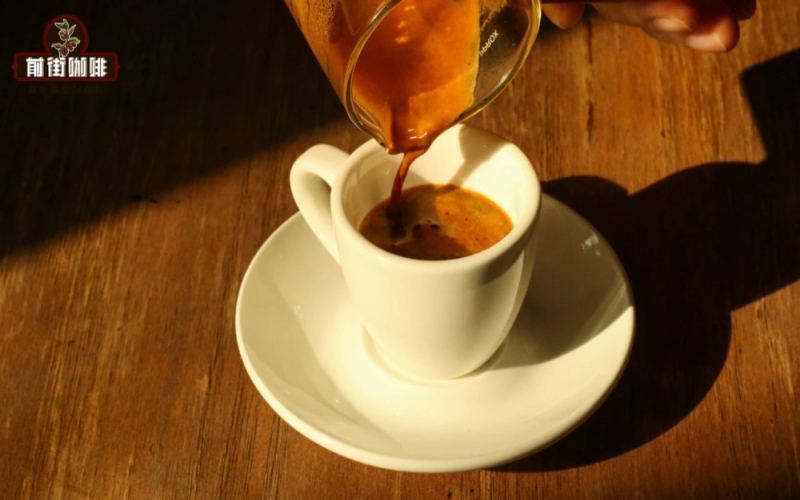
An Analysis of the Flavor Differences Between Mandheling and Espresso: The Taste Characteristics of Single-Origin Beans Made as Americano
Which is actually better tasting, Mandheling or espresso? Behind this question lies the fundamental difference between the two major systems of single-origin coffee and Italian-style coffee. Front Street Coffee (FrontStreet Coffee) starts from the history of coffee, sorting out the differences between single-origin beans and espresso blend beans in bean selection logic, brewing methods, and flavor expression, and focuses on introducing Mandheling's origin story, the wet-hulling processing method, and the taste characteristics when using it to make SOE and Americano. Whether you prefer the rich and full-bodied Mandheling or are accustomed to the strong impact of espresso, after understanding these differences, you can find the cup that better suits your taste. [more…]
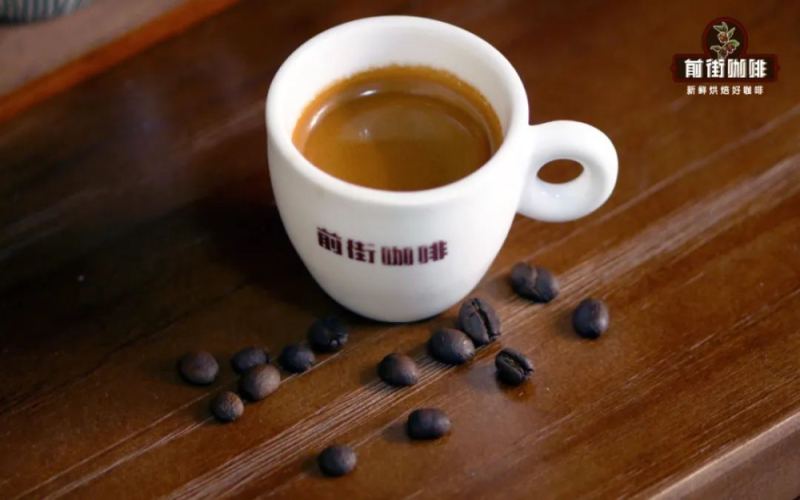
A Complete Guide to SOE Single-Origin Coffee Beans: Flavor Differences Between Single-Origin Espresso and Blends, Plus Four Recommendations
In recent years, more and more coffee shops have added a "switch to SOE" option to their menus, and some even offer several SOE beans at once for customers to choose from. What exactly does this frequently appearing abbreviation stand for? And what are the fundamental differences between it and the common espresso blend beans? This article will explain the definition of SOE, its differences from blends, roasting orientations, and the single-origin coffee beans suitable for making SOE, and recommend four Front Street Coffee SOE beans to help you understand this important concept in the world of espresso. [more…]
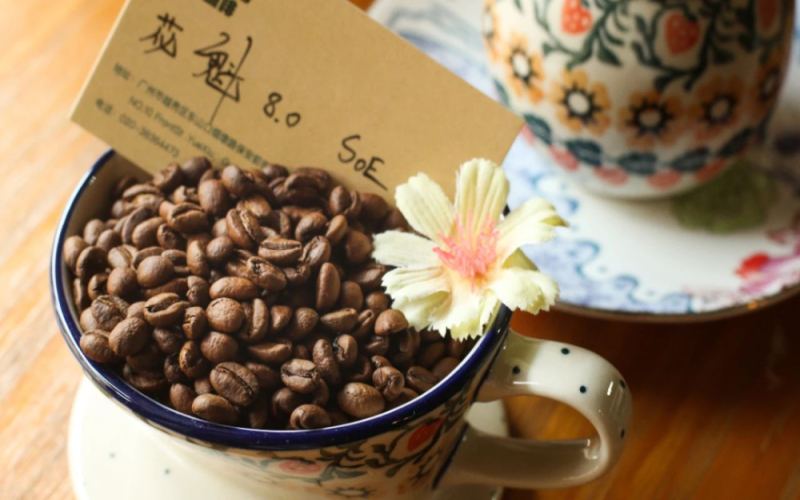
SOE Single-Origin Espresso | Which pour-over single-origin beans are suitable for making SOE coffee? What are the differences between single-origin pour-over and single-origin espresso?
SOE is one of the most popular products in today's specialty coffee shops and coffee chains. It is an espresso extracted from single-origin (single-origin) coffee beans. Its characteristic is that even at a very high concentration, the coffee liquid can still express the unique flavor profile of the coffee's origin. [more…]
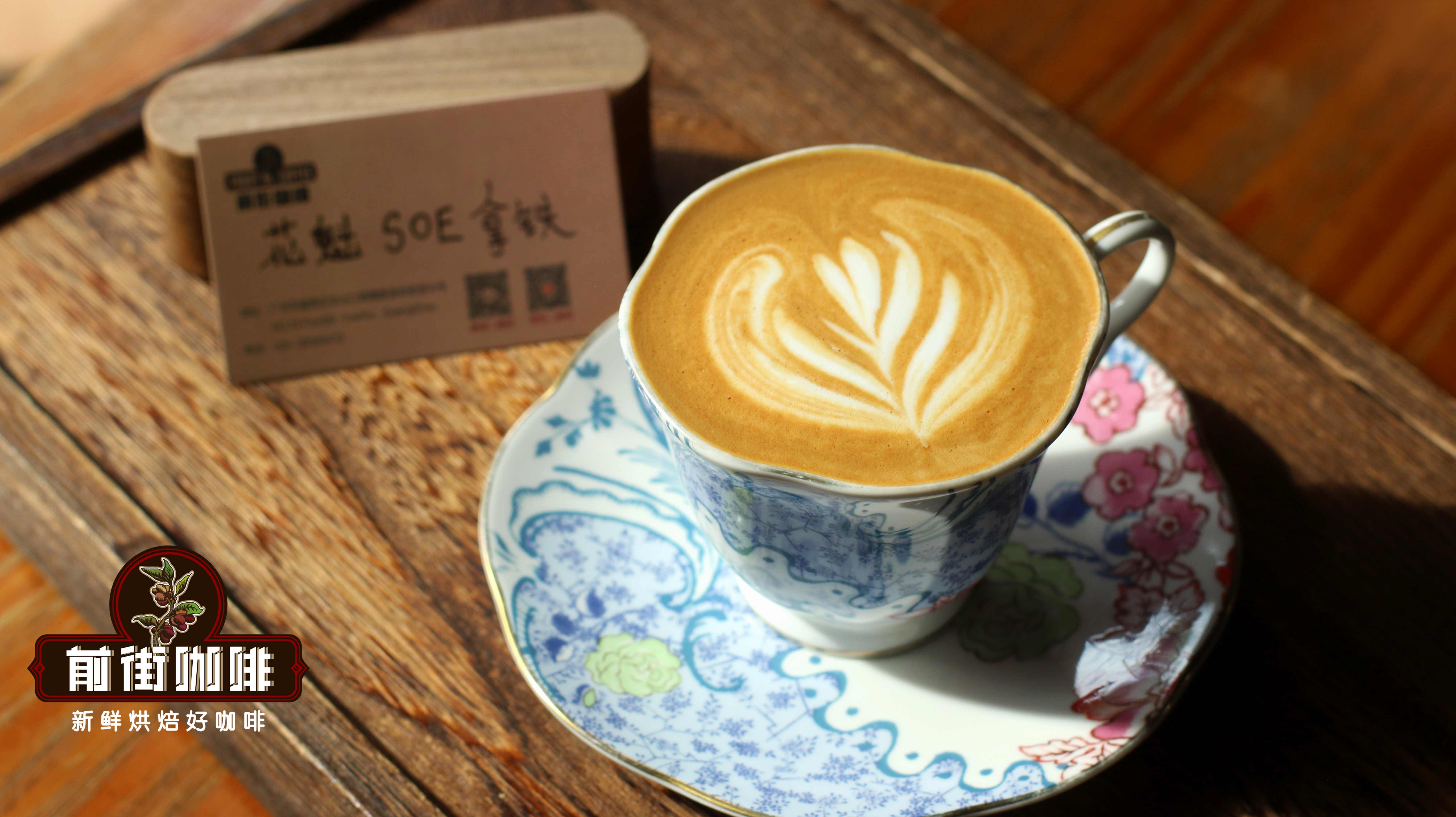
An Analysis of the Similarities and Differences Between SOE and Single-Origin Coffee: The Specialty Trend from Single Origin to Espresso
In recent years, SOE (Single Origin Espresso) has attracted increasing attention in the specialty coffee scene. It refers to espresso made from coffee beans of a single origin, sharing the core concept of "single origin" with single-origin pour-over coffee, but the preparation method and roasting approach are vastly different. Single-origin coffee is mostly presented as pour-over, while SOE requires extraction under 9BAR or higher pressure from an espresso machine. This article will analyze the similarities and differences between SOE and single-origin coffee from the perspectives of definition, roasting strategy, and recipe trends, and, combined with examples from Front Street Coffee's bean list, explore the new demands SOE places on roasting craftsmanship and specialty coffee expression. [more…]
Analysis of Mandheling Single-Origin Coffee Flavor Characteristics, Differences from Espresso, and Key Brewing Points for Golden Mandheling
Mantenin and espresso are often compared side by side, but the two actually belong to different coffee systems. Espresso emphasizes speed and intensity of flavor, while single-origin coffee focuses more on origin culture and nuanced flavors, and the history of single-origin coffee predates that of espresso. Mantenin comes from Indonesia and, through the wet-hulling process, develops a distinctive style that is low in acidity, thick in body, and carries notes of herbs and aged wood. Front Street PWN Golden Mandheling is regarded as a representative of Indonesian specialty coffee. This article will sort out the essential differences between single-origin and espresso, introduce the origin of the name Mantenin and the characteristics of its processing method, and include the pour-over brewing parameters and flavor description for Front Street Golden Mandheling. [more…]
What coffee beans should you choose for espresso? Single-origin vs. blend differences, SOE key points, and Front Street recommendations
In the world of espresso, the choice of coffee beans often determines the foundation of a cup. The coffee beans commonly found on the market are broadly divided into two categories: single-origin and blends. The former emphasizes the terroir and character of a specific origin, while the latter pursues stability and balance of flavor. Many people wonder: can single-origin beans used for pour-over be used directly to make espresso? And can blend beans be used for pour-over? From the perspective of Front Street Coffee, this article sorts out the differences between single-origin beans and blend beans, the impact of freshness on flavor, and the considerations in bean selection and roasting for SOE, while also sharing the flavors of specific products such as Front Street Sunshine Blend, to help coffee lovers clarify their thinking and find the bean that suits their own espresso recipe. [more…]
How to Choose Between Mandheling and Espresso Flavor Coffee? An Analysis of the Differences and Characteristics of Single-Origin Beans and Espresso Beans
Today, with coffee shops on every street corner, espresso and pour-over single-origin coffee have become the two most mainstream forms of coffee, and Mandheling, as a classic single-origin bean, is often compared with espresso-style flavored coffee. What exactly is the difference between the two? This article begins with the extraction methods of Front Street Mandheling and espresso, sorts out the differences between pressure extraction and filter brewing, and then explains the differences between espresso beans and pour-over single-origin beans in terms of roast level and blending approach. It also introduces a variety of espresso beans such as Front Street Classic Blend, Commercial Blend, Dark Cocoa Blend, and Specialty Blend, as well as the flavor characteristics of everyday beans such as Yirgacheffe, Mandheling, Brazil, and Colombia, helping enthusiasts make a choice according to their own needs. [more…]
A Comprehensive Guide to SOE Coffee: Single-Origin vs. Blend Differences, Price Comparison, and Key Brewing Points
When ordering at a café, the barista often asks, "Would you like SOE or a blend?" leaving many people puzzled. SOE stands for Single Origin Espresso, which refers to espresso extracted from coffee beans of a single origin. How exactly does it differ from traditional blended espresso? Is it more expensive? Is it necessarily better tasting? This article, from the perspective of Front Street Coffee, sorts out the origins of SOE and the background of its rise to popularity, compares the differences between single-origin and blended coffee in terms of flavor stability and cost, explains why not all single-origin beans are suitable for making SOE, and recommends three Front Street Coffee beans suitable for making SOE, helping you understand and choose more clearly. [more…]
Which single-origin coffee beans are suitable for making SOE? A core analysis of the differences between specialty beans like Yirgacheffe and blended beans
SOE stands for Single Origin Espresso, and in recent years it has become increasingly popular in the specialty coffee world. It uses single-origin beans instead of traditional blends, extracting under high pressure with an espresso machine to present distinct regional flavors. Blends focus on stability and balance, while single-origin beans emphasize personality and distinctiveness. This article will systematically sort out the concept of SOE, its differences from blends, and recommend three Front Street Coffee beans suitable for making SOE—Yirgacheffe Red Cherry, Mozart, and Golden Mandheling—while also introducing three Front Street Coffee espresso blends: Black Cocoa, Classic, and Commercial, to help coffee lovers find the choice that suits them. [more…]
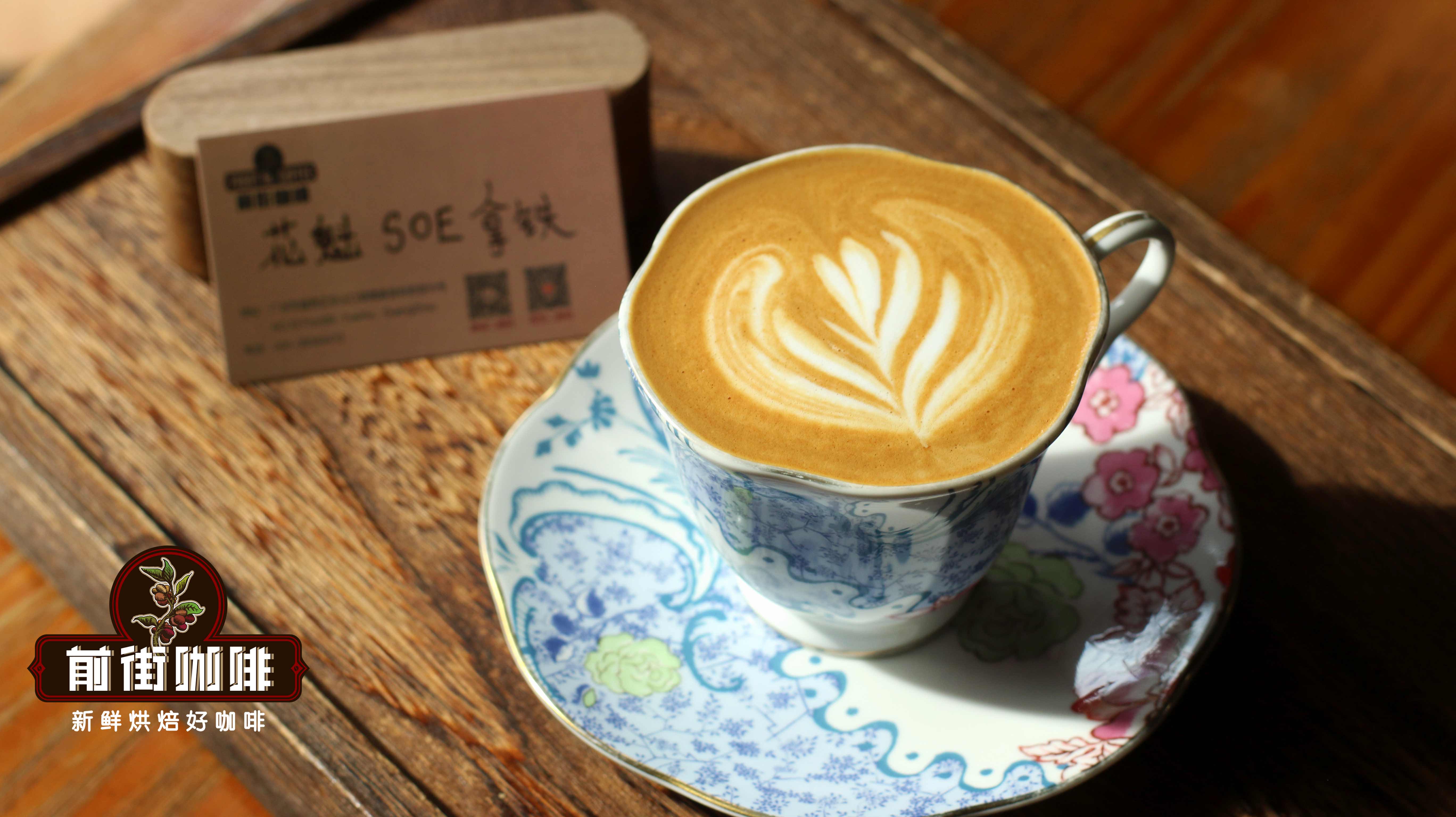
SOE Coffee Bean Selection and Roasting Guide: An Analysis of Single-Origin Coffee Differences and Key Production Points
SOE (Single Origin Espresso) has attracted much attention in the specialty coffee circle in recent years. It uses coffee beans from a single origin, and after high-pressure extraction through an espresso machine, its flavor characteristics are significantly amplified, so it is clearly different in expression from pour-over single-origin coffee. Starting from the definition of SOE, this article will analyze its differences from single-origin coffee, the logic behind choosing the roast level, and explain which coffee beans are more suitable for making SOE. At the same time, the article will also share Front Street Coffee's approach to selecting such coffee, including specific recommendations such as Natural Huakui, Mozart, and Sidra, as well as practical points such as extraction parameter adjustments and milk ratio control, to help coffee lovers understand this category more comprehensively. [more…]
What Are the Differences Between Espresso and Pour-Over Coffee Beans? A Comprehensive Analysis from Roast Level and Extraction Method to Single-Origin and Blends
Friends who are new to coffee often feel overwhelmed by the dazzling array of bean labels and don't know how to choose the coffee beans that suit them. In fact, the differences between espresso beans and pour-over beans are not as complicated as imagined. The core difference lies mainly in the roast level—espresso beans tend to be dark-roasted, while pour-over beans tend to be light-roasted, and this difference stems from the different extraction methods. Once you understand the characteristics of pressure extraction and drip extraction, you'll see why some beans are better suited for espresso and others for pour-over. This article will also clarify common misconceptions about single-origin versus blends, and explain the quality logic behind price differences, helping you make more suitable choices under different extraction methods. [more…]
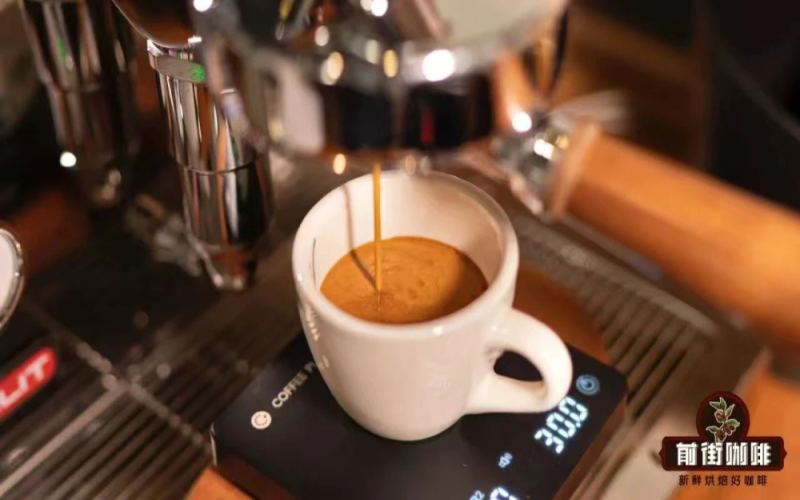
Hand-brewed single-origin vs. espresso coffee beans: key differences, common single-origin bean types, and how to choose
What exactly is the difference between single-origin coffee and espresso? This article sorts through everything from definitions and roasting logic to brewing methods, helping you understand the concepts of single origin and single variety, and grasp the different demands that pour-over and espresso place on coffee beans. It also uses specific products such as Front Street Coffee's Fruit Ding Ding, Huakui, Golden Mandheling, and Blue Mountain No. 1 to explain how to choose single-origin beans based on flavor preferences like floral aroma, fruity acidity, full body, and balance; at the same time, in light of the high-temperature, high-pressure extraction characteristics of espresso machines, it explains why medium-dark roast blends are better suited for consistent output, and offers purchasing suggestions such as Front Street Coffee's Classic Blend, Black Cocoa, Huakui SOE, and Strawberry Candy Espresso, making it easy for coffee lovers to switch up flavors as they please. [more…]
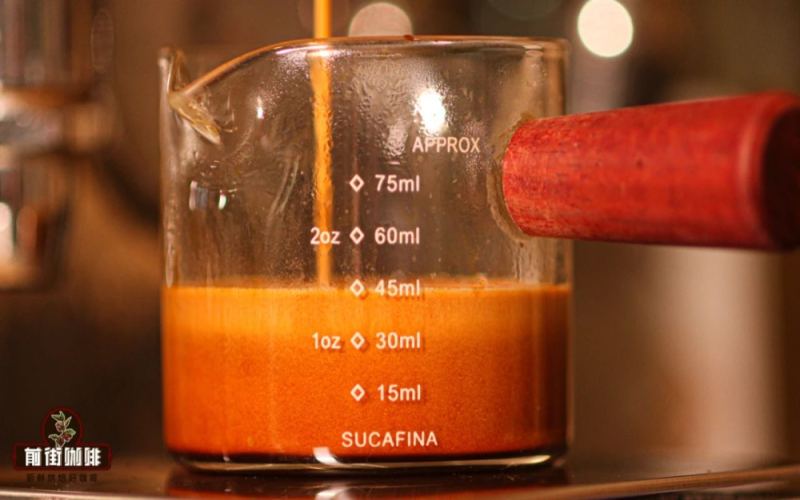
Analysis of Flavor Differences Between Single-Origin Coffee and Espresso: Recommendations for Using Espresso Beans in Pour-Over
Many people's impression of espresso stops at bitter, harsh, and intense—something that must be diluted with sugar and milk before it can be drunk. In reality, though, this taste is closely tied to the roast level of espresso beans. If the beans are roasted too dark, much of the pectin and fruit acid is destroyed, costing the coffee its sweet aftertaste and even releasing undesirable off-flavors. A high-quality Espresso should be as clean and smooth as a single-origin coffee, carrying fruit acidity and creamy stone-fruit aromas, with layers that shift and deepen as the temperature changes. Starting from its flavor characteristics, this article compares the differences between single-origin and espresso beans, recommends several Front Street Coffee espresso blends suitable for home coffee machines and moka pots, and offers tips on making pour-over with espresso beans. [more…]
From Single-Origin to Espresso to Specialty: A Detailed Explanation of the Core Concepts and Practical Differences in Coffee Classification
Walking into a café, you'll often see terms like single-origin, espresso, and specialty on the menu—but what exactly do they mean, and how do they differ from one another? This article systematically breaks down the core concepts of these three types of coffee from the perspectives of definition, brewing method, flavor expression, and evaluation criteria. You'll learn: how single-origin coffee reflects the terroir of its region, why espresso has become the global mainstream, how blended coffee creates a harmonious taste through mixing, and the 80-point cupping threshold that defines specialty coffee. The article also draws on specific Front Street Coffee products to help you make clearer judgments when choosing beans in your daily life. [more…]
Espresso Bean Selection Guide: Blend vs. Single-Origin Differences, Extraction Parameters, and Front Street Recommendations
To make a decent espresso at home, choosing the beans is the first step. Many people ask: can any coffee beans be used to extract espresso? In theory, both Arabica and Robusta can, but if you're after flavor, bean selection matters a great deal. Currently, the espresso beans commonly found in cafés fall into two main categories: blends and single-origin beans. Blends combine multiple beans to pursue stability and balance; single-origin beans emphasize the unique flavor of a particular region, known as SOE. This article starts with the difference between blends and single-origin beans, explains why blends are more stable, and specifically introduces the flavor and extraction suggestions for Front Street Coffee's Classic Blend, Strawberry Candy Blend, and Sun-Dried Red Cherry SOE. It also provides reference parameters such as dose, yield, and time to help you find an espresso solution that suits you. [more…]
What Exactly Does Single-Origin Coffee Mean? Clarifying the Differences and Similarities Between Single-Origin and Specialty Coffee, and the Flavor Characteristics of Major Producing Regions
Single-origin coffee refers to coffee made by grinding and brewing beans from a single origin and a single variety, usually without adding creamer. Its flavor is distinctly individual, and it is more worthy of savoring slowly than fancy coffee drinks. It overlaps with, yet differs from, the concept of specialty coffee: specialty coffee emphasizes the exceptional quality that reflects the terroir of a specific region, while single-origin coffee focuses on the purity of the bean source. This article will systematically outline the definition of single-origin coffee and introduce one by one the origins and taste characteristics of classic single-origin beans such as Blue Mountain, Mocha, Mandheling, Colombia, Brazil, and Kilimanjaro, helping coffee enthusiasts build a clear cognitive framework. Front Street Coffee will also provide purchasing references for beginners in this article. [more…]